Hydration Tips for Runners and Active Lifestyles
Practical hydration tips for runners and active people. Learn how to hydrate before, during, and after training with natural self-care ideas.
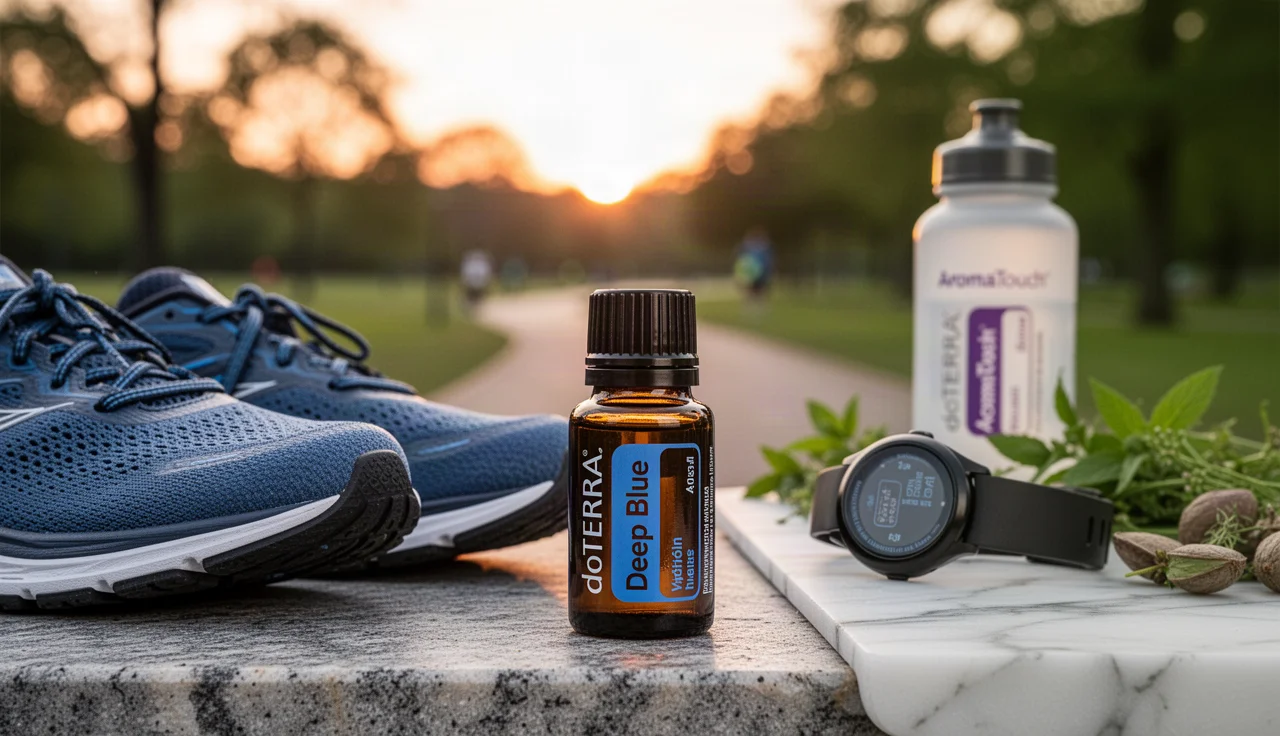
By the AfterTheSport Team — Active-lifestyle & doTERRA enthusiasts
You finish a long run, and the first thing you reach for is water, but somehow you still feel flat for the rest of the day. Sound familiar? Most active people underestimate how much fluid they lose during training, and replacing it well takes more than just drinking a glass afterward. Here is the direct answer: hydration for runners and active lifestyles means drinking consistently throughout the day, not only during exercise, paying attention to electrolytes on longer or sweatier sessions, and pairing fluids with a simple recovery routine. Small habits, like sipping water with meals, drinking before you feel thirsty, and choosing fluids you genuinely enjoy, make the biggest difference over time. This guide covers what to drink, when to drink it, and how to build hydration into your everyday training rhythm without overcomplicating your routine. For endurance-focused advice, our guide on hydration tips for endurance athletes goes deeper on long-session planning.
How Much Water Do Active People Actually Need?
There is no single magic number, because sweat rates vary with pace, temperature, clothing, and individual physiology. A practical starting point for most runners is to drink roughly half your body weight in ounces of water per day, then adjust upward on training days. For example, a 160-pound person would aim for about 80 ounces as a baseline, adding more around workouts.
Rather than obsessing over exact counts, pay attention to simple signals. The color of your urine is one of the most reliable everyday indicators: pale straw usually means you are reasonably hydrated, while dark yellow suggests you need more fluid. Thirst is another useful cue, though it often lags behind actual needs during exercise. Drinking small amounts every 15 to 20 minutes during training is more effective than gulping a large volume at once.
Hydration is not only about water. On sessions lasting over an hour, especially in warm weather, adding electrolytes helps replace what you lose through sweat. Many active people keep an electrolyte drink or a pinch of mineral salt with their water on longer runs. Our article on hydration for athletes and electrolyte essentials explains how to balance fluids and minerals without overdoing sugars or artificial additives.
Before, During, and After Training: A Simple Routine
Building a hydration rhythm around your workouts removes the guesswork. Here is a step-by-step approach that fits most training schedules:
- Two hours before training: Drink 12 to 16 ounces of water. This gives your body time to absorb it without leaving you feeling heavy.
- Fifteen to thirty minutes before: Take another 4 to 8 ounces. Sip slowly rather than drinking it all at once.
- During exercise: Aim for 4 to 8 ounces every 15 to 20 minutes. Adjust based on heat, humidity, and how much you sweat. On very long sessions, include electrolytes.
- Immediately after: Drink 16 to 24 ounces within the first hour. Replacing fluid soon after training supports your overall comfort and energy for the rest of the day.
- Rest of the day: Continue sipping regularly. Keep a bottle nearby at your desk or in your bag as a visual reminder.
Recovery is the part most people forget. Water is essential, but the ritual around it also matters. After a session, many active people build a small cool-down routine that includes stretching, a shower, and a quiet moment to reset. A light massage can feel especially nice after a long effort, and adding a comforting blend to your post-training ritual makes it something to look forward to. The Deep Blue Rub has a cooling sensation that many runners enjoy on tired legs as part of their after-sport routine, while AromaTouch offers a relaxing massage experience when mixed with a carrier oil.
Making Hydration Part of Your Daily Ritual
Drinking enough water works best when it does not feel like a chore. Start by attaching hydration to habits you already have: a glass of water when you wake up, one with each meal, and one before bed. Carrying a bottle you like makes a surprisingly big difference, because you are more likely to sip from something you enjoy using.
Flavor also keeps hydration interesting. Many active people add lemon slices, mint leaves, or a drop of a citrus essential oil like Lemon to their water for a bright, fresh taste. If you prefer something softer, Wild Orange adds a sweet citrus note that makes plain water more appealing. Be sure to use only oils labeled for internal use and follow the label instructions exactly; for most doTERRA oils, a single drop in a large glass is plenty.
The environment you train in matters, too. Dry air indoors can leave you feeling parched, while outdoor heat increases sweat loss. Pay attention to how your body responds on different days and adjust accordingly. Below is a quick comparison of how different factors influence your hydration needs:
| Factor | Effect on Hydration | Practical Adjustment |
|---|---|---|
| Hot, humid weather | Increases sweat rate | Drink more frequently; add electrolytes on longer sessions |
| Cold, dry weather | Reduces thirst signals; fluid loss is less obvious | Set reminders to drink regularly even if you are not thirsty |
| Indoor training | Dry air can increase perceived dryness | Keep water within reach; sip between sets or intervals |
| Long sessions (over 60-90 min) | More fluid and mineral loss | Include electrolytes and consume small amounts steadily |
| Short, easy sessions | Lower fluid loss | Baseline hydration is usually enough; drink after as needed |
For an extra layer of daily wellness support, many active people add the Lifelong Vitality Pack to their routine. It is designed to support overall nutrition as part of a balanced diet and active lifestyle, providing a convenient foundation when paired with good hydration and whole foods. The xEO Mega component, in particular, is a popular choice among people who want a simple way to round out their daily nutritional intake without extra pills and powders.
If you train frequently and want a practical collection to support your overall routine, the Home Essentials Enrollment Kit bundles several everyday products, including options that fit naturally into an active home. It is a convenient starting point, though absolutely not required for good hydration or training.
Another simple habit worth adding is a post-run breathing moment. After you rehydrate and stretch, take a few slow, intentional breaths. Products like Breathe are favored by active people for their crisp, open scent, which can make that quiet reset feel a little more refreshing. Pairing hydration with a short mindfulness check-in helps you tune in to what your body actually needs that day, whether that is more water, an earlier bedtime, or a lighter session tomorrow.
FAQ
How much water should I drink on a rest day?
On rest days, aim for your usual daily baseline, roughly half your body weight in ounces, and adjust based on thirst and urine color. You still lose fluid through normal daily activities, so consistent sipping matters even when you are not training.
This content is for general information only and is not medical advice. Essential oils are not intended to diagnose, treat, cure, or prevent any disease; consult a qualified healthcare professional before use.