Hydration Tips for Endurance Athletes
Stay ahead of thirst with practical hydration tips for endurance athletes. Learn simple strategies, plus how to build a refreshing daily routine that supports your active lifestyle.
By the AfterTheSport Team — Active-lifestyle & doTERRA enthusiasts
You're halfway through a long run on a warm morning, and you notice your mouth feels dry and your energy is dipping a little earlier than usual. That feeling is your body's way of saying it's time to rehydrate, but ideally, you'd want to address it before it gets to that point. For endurance athletes, staying on top of hydration is one of the simplest yet most impactful parts of a training routine.
We see this as more than just drinking water; it's a daily rhythm of replacing fluids and minerals lost through sweat, keeping your body feeling comfortable and ready to move. It supports your overall sense of well-being during a long bike ride, a trail run, or a day of hiking. In our experience, a consistent approach to hydration, combined with a few practical habits, can make a real difference in how you feel both during and after your activity.
Why Hydration Matters for Your Active Routine
When you engage in prolonged exercise, your body loses water and electrolytes, primarily sodium, through sweat. This isn't just about quenching thirst. Maintaining a good fluid balance helps your body regulate temperature, keeps your joints lubricated, and supports normal muscle function. When your hydration gets low, you might feel sluggish, experience a lack of focus, or notice your usual pace feels harder to maintain.
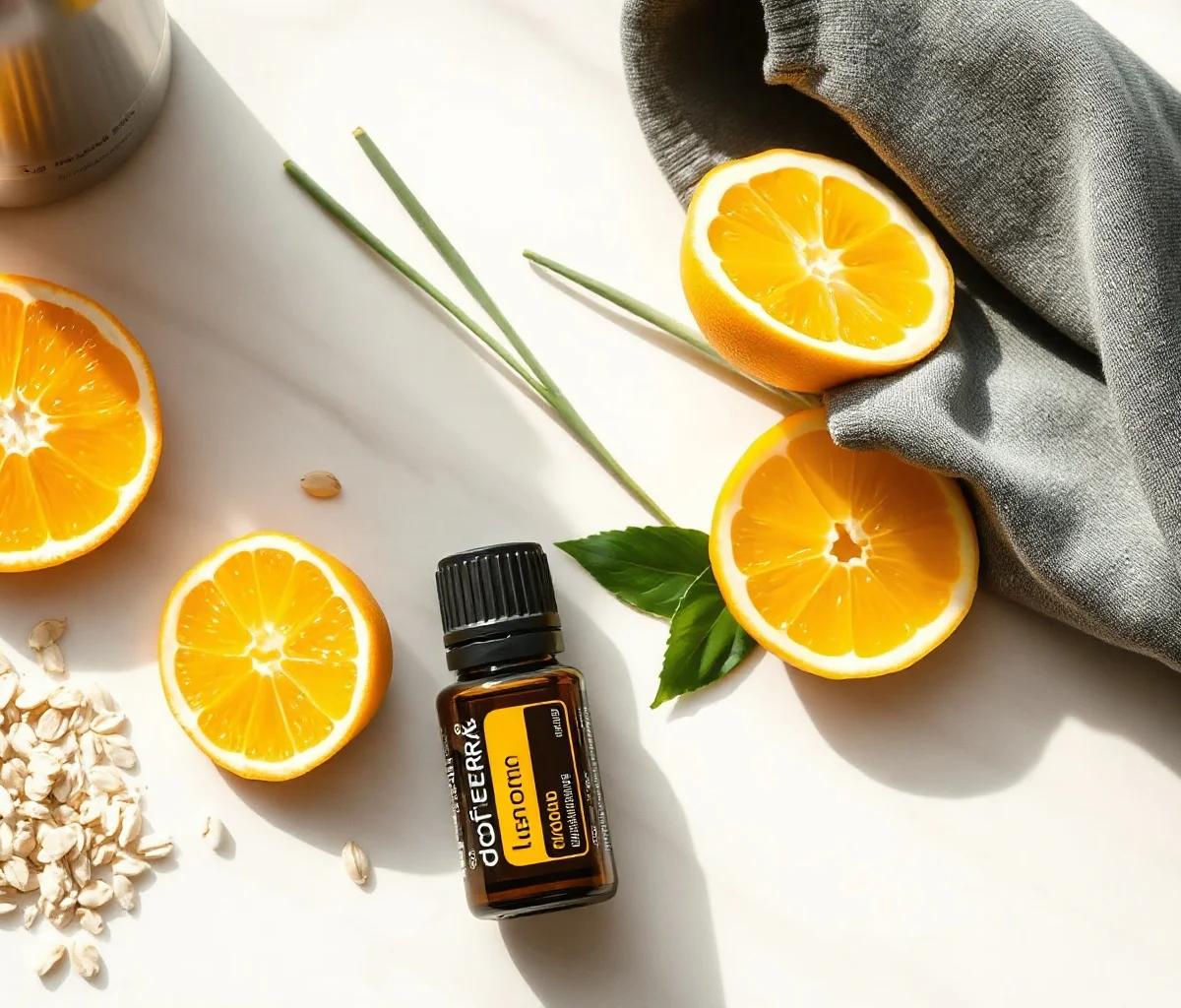
Building a habit of consistent hydration throughout the day, not just around your training window, is key. Many athletes find that starting their day with a large glass of water is a simple way to begin. Adding a slice of refreshing citrus, like a drop of Lemon oil in water for a bright, clean taste, can make this habit feel more like a small daily ritual.
A Simple Pre-, During-, and Post-Workout Hydration Plan
A solid plan doesn't need to be complicated. Here is a step-by-step approach you can adapt to your own training:
- Pre-Hydrate (2-3 hours before): Drink about 16-20 ounces of water. This gives your body time to absorb the fluid and get your system ready.
- Top Off (15-20 minutes before): Sip another 8-10 ounces. Think of this as a final primer before you start.
- During Exercise: Aim for 4-8 ounces every 15-20 minutes, adjusting based on the heat and your sweat rate. For activities lasting over an hour, consider adding electrolytes to your water.
- Post-Workout Replenish: Weigh yourself before and after a long session on occasion. For every pound lost, drink about 16-24 ounces of fluid to rebalance. This is also an ideal time to take your daily vitamins to support overall wellness, like the Lifelong Vitality Pack as part of your recovery meal.
Building a Refreshing Hydration Ritual
Plain water is perfect, but sometimes your taste buds need a little variety to encourage you to keep sipping. Creating flavorful, natural water infusions can be a game-changer for your daily intake. Here's a comparison of a few fresh additions you can easily make.
| Addition | Flavor Profile | Why We Like It |
|---|---|---|
| Grapefruit & Mint | Tart, crisp, and refreshingly cool | Provides an uplifting, zesty sip that feels especially invigorating on a warm day. |
| Wild Orange & Berry | Sweet, bright, and fruity | A great choice for those who prefer a naturally sweeter flavor without any added sugar. |
| Cucumber & Lime | Ultra-clean, light, and slightly tangy | A spa-like, cooling combination that feels exceptionally hydrating and pure. |
| Tangerine & Basil | Sweet-citrus with a subtle herbaceous note | An unexpectedly sophisticated flavor that makes your water bottle feel a bit special. |
Internal hydration is crucial, but don't neglect the feeling of your skin after hours in the sun and wind. Applying a cooling, menthol-based product to tired legs can be a comforting post-effort ritual. Many dedicated athletes reach for the Deep Blue Rub for its soothing, cooling sensation that feels amazing on well-worked muscles. A glass of water with a drop of Peppermint oil can offer a similarly crisp, refreshing internal cool-down. If a topical is more your style, the Deep Blue oil blend can be massaged into the skin after a shower for a comforting experience.
For those who prefer to support their body's recovery and metabolism through supplementation, the MetaPWR Advantage is a collagen-based powder that can be mixed into a post-workout smoothie or a glass of water. It's a part of a balanced diet that supports an active metabolism, contributing to your overall daily nutrient intake. We also love blending a smoothie with a bit of Copaiba oil added, a practice that has become popular with those looking for new ways to use oils internally.
Related reading
FAQ
How much water should I drink during a marathon? There's no single correct amount, as it depends on your personal sweat rate, the weather, and pace. A general guideline is to drink to thirst and aim for 4-8 ounces every 15-20 minutes, but practicing this in training is essential to finding what your stomach tolerates best.
Can I drink too much water during a long workout? Yes. Drinking excessive amounts of plain water without replacing electrolytes can lead to a condition called hyponatremia, where blood sodium levels become dangerously low. For efforts over an hour, use an electrolyte mix or drink to your thirst, which is consistently supported as a safe strategy by sports medicine experts. You can learn more about hydration and health from the National Institutes of Health.
What are the signs of dehydration I should look for while running? Early signs include a dry or sticky mouth, feeling unusually fatigued, lightheadedness, or a noticeable decrease in your pace or power. Monitoring the color of your urine is a good daily check; a pale, straw-like color suggests you are well-hydrated.
Staying well-hydrated is a foundational piece of feeling good during your training and your day-to-day life. By building a simple plan and making your water something you look forward to drinking, you support your body's natural ability to perform and recover comfortably. It’s one of the most fundamental acts of self-care for an athlete, as essential as a good night's rest.