doTERRA Oils for Post Workout Recovery
Discover the doTERRA oils many active people use for a soothing post-workout ritual. Cooling sensations, calming scents, and practical recovery tips.
By the AfterTheSport Team — Active-lifestyle & doTERRA enthusiasts
The moment you finish a tough training session, your body is still humming. You stretch, you rehydrate, and maybe you look for a way to make the transition from effort to ease feel a little more intentional. A growing number of active people are turning to essential oils as part of that post-workout wind-down, not as a substitute for rest, nutrition, or stretching, but as a sensory layer that makes the whole ritual more enjoyable.
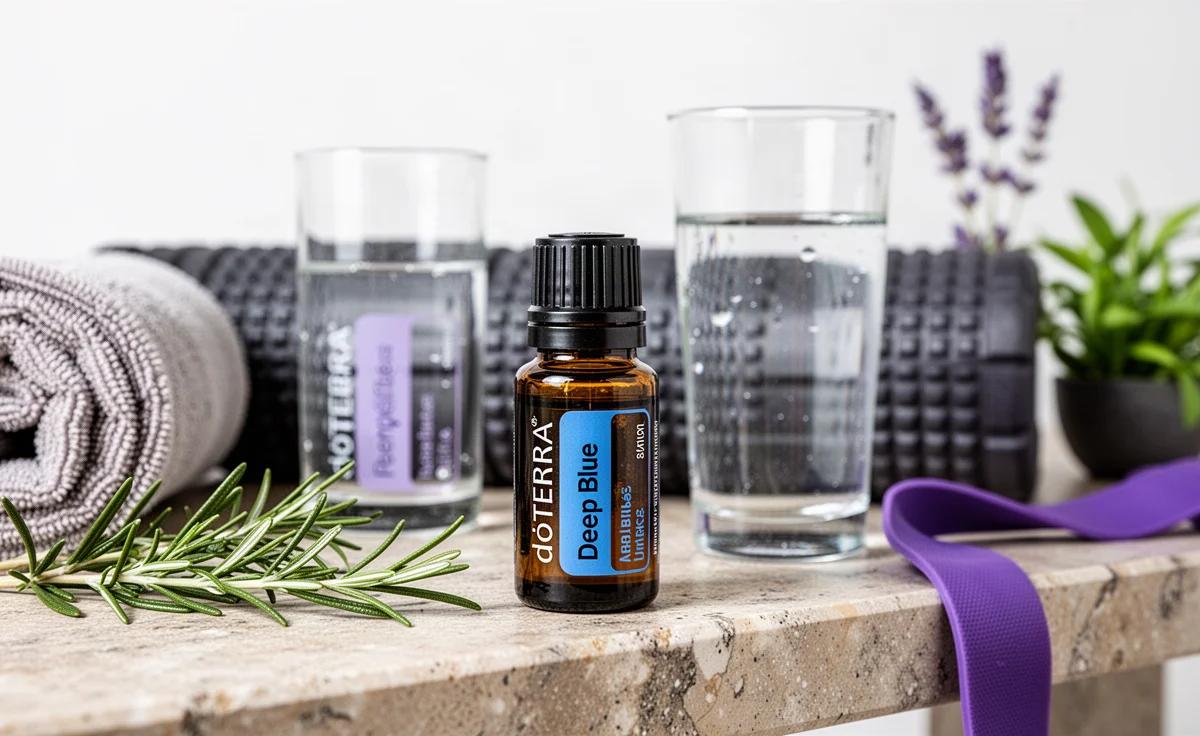
The most direct answer is simple: Deep Blue is the doTERRA blend most closely associated with post-workout comfort, thanks to its cooling, soothing sensation on tired muscles. Alongside it, Deep Blue Rub offers a convenient, travel-friendly cream format that many athletes keep in their gym bag. Beyond the Deep Blue line, oils like Lavender, Peppermint, and Copaiba are often used to create a calming, cooling, or refreshing post-training atmosphere. This guide explains how to incorporate them sensibly into your routine, what dilution to use, and which combinations work best for different types of active days. For a broader look at the category, our guide to essential oils for post workout recovery explores several additional options.
The Post-Workout Ritual: Where Essential Oils Fit
Recovery is mostly about the basics: sleep, hydration, protein, and time. Essential oils do not speed up tissue repair or replace physiotherapy, but they can make the hours after training feel more deliberate. The scent and the sensation of a cooling or warming oil are part of what turns a routine stretch into a small self-care moment.
In our experience, what works best is a simple sequence. First, you cool down and stretch. Then, you shower. Then, you apply a diluted oil blend to large muscle groups as part of a massage. The manual pressure and the warmth of your hands do most of the work; the oil accompanies that effort. Research published in PubMed has looked at massage and its role in perceived recovery, though results vary widely and the sensory aspect is often what users notice most.
A Simple Post-Workout Oil Routine
- Dilute before you apply: Mix 2-3 drops of your chosen oil with 5 ml of a carrier oil. Coconut fractionated oil is light and stable, making it ideal for body massage.
- Test first: Apply one diluted drop to the inner elbow and wait 24 hours before the first full application.
- Massage large muscles only: Legs, back, and shoulders. Never apply oils to broken skin, abrasions, or irritated areas.
- Use cooling oils after intense sessions: Peppermint or Deep Blue provide a refreshing sensation that many people enjoy after a hard workout.
- Use calming oils in the evening: Lavender or Balance work well when your goal is to wind down before sleep.
Comparing the Key doTERRA Oils for Active Days
Different oils suit different moments. The table below summarizes the most practical options and how active people typically use them.
| Product | Sensation or Scent | Common Use After Training |
|---|---|---|
| Deep Blue | Cooling, minty, wintergreen | Massage on large muscles, feet, or shoulders |
| Deep Blue Rub | Cooling cream, easy to apply | Gym bag staple, targeted application |
| Peppermint | Sharp, fresh, cooling | Diffusion or diluted massage for a refreshing lift |
| Lavender | Floral, soft, calming | Evening wind-down, diluted application, diffusion |
| Copaiba | Warm, woody, subtle | Blending with Deep Blue or Lavender |
| AromaTouch | Herbaceous, relaxing | Massage blend, often paired with a carrier oil |
| Breathe | Fresh, airy, eucalyptus | Diffusion during stretching or cool-down |
| Serenity | Soft, floral, restful | Evening diffusion, pre-sleep routine |
A Deeper Look at the Deep Blue Line
The Deep Blue line is built around wintergreen, camphor, peppermint, blue tansy, and a few other botanicals. The cooling sensation you feel is a sensory effect on the skin's thermal receptors, not a sign of healing or reduced inflammation. That distinction matters: many active people choose Deep Blue because it feels good, and that is a perfectly valid reason. It is not a treatment for injuries or soreness.
Deep Blue Rub deserves special mention because it is pre-diluted and easy to keep in a bag. If you train in a gym, a small tube is often more practical than a glass bottle of oil. Deep Blue itself is more versatile for larger areas and custom blends. Some users add a drop of Copaiba or Lavender to soften the intensity.
To see how the Deep Blue line works in practice, read our guide on doTERRA oil for muscle recovery after workout.
Diffusion: Setting the Tone for Recovery
Not every post-workout oil needs to touch your skin. Diffusion is a simple way to fill the room with a scent that signals the end of training. Use 3-5 drops per 100 ml of water in your diffuser, run it for 30-45 minutes, and keep the room ventilated. Continuous diffusion saturates the olfactory sense and adds nothing.
Related reading
Frequently Asked Questions
Which doTERRA oils are most popular after a workout? Many active people reach for Deep Blue, Lavender, and Peppermint because they feel cooling, soothing, or calming on tired legs and shoulders. Eucalyptus and Wintergreen are also common picks for a fresh, revitalizing sensation during post-training wind-downs.
How do I use them after a session? The simplest approach is to dilute a few drops in a carrier oil and massage it into the areas that feel worked, or add a drop to a warm bath or shower steam. You can also run a diffuser in your cool-down space if you prefer a lighter, ambient way to enjoy the aroma.
When should I apply them for the best experience? Most people apply them within the first hour after training, once they have cooled down and rehydrated. Pairing the application with gentle stretching, foam rolling, or quiet breathing helps the routine feel more relaxing and consistent.
This content is for general information only and is not medical advice. Essential oils are not intended to diagnose, treat, cure, or prevent any disease; consult a qualified healthcare professional before use.