Essential Oils for Post Workout Recovery
Discover how essential oils fit into a soothing post-workout routine. Explore cooling sensations, calming aromas, and natural self-care rituals.
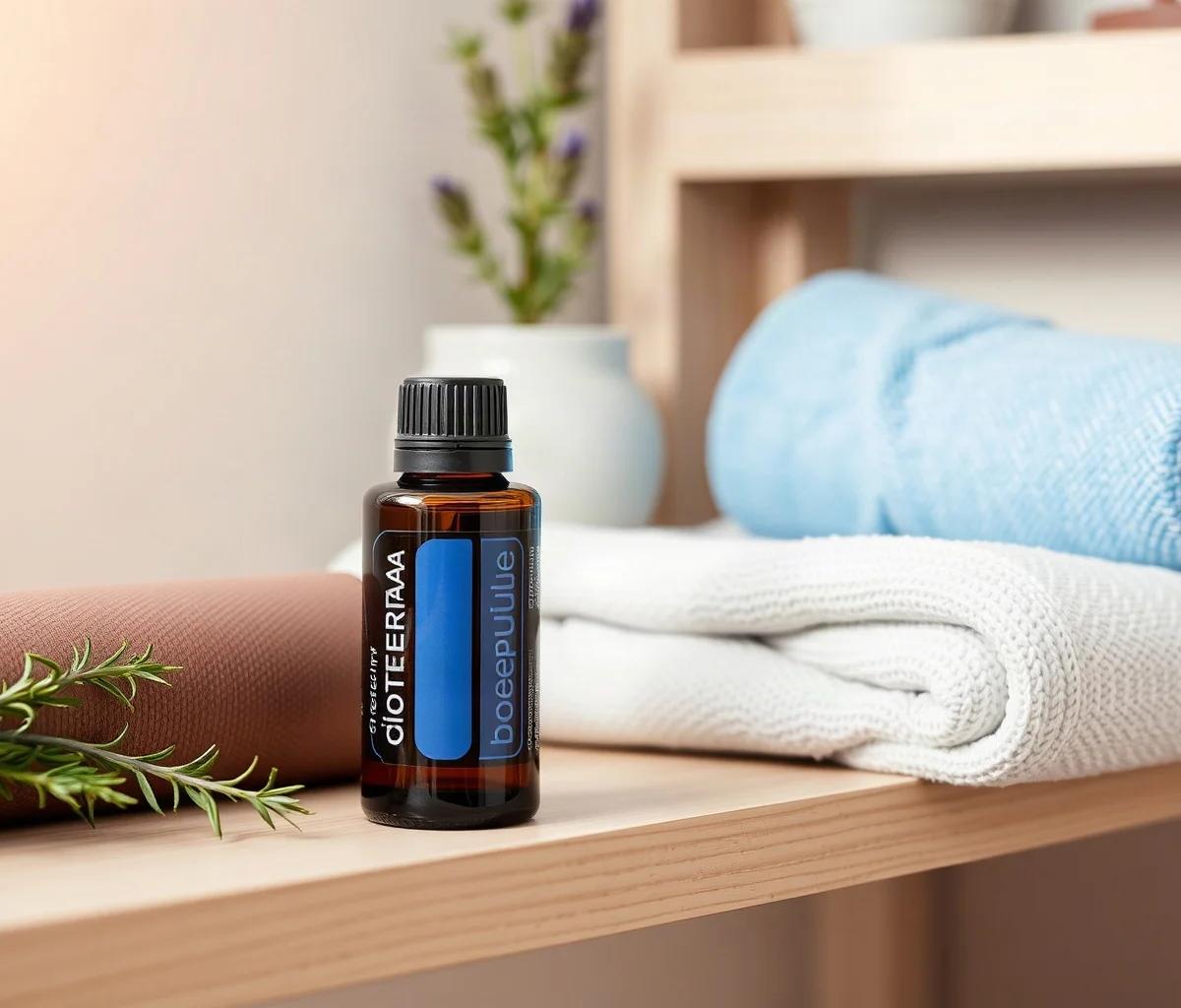
By the AfterTheSport Team — Active-lifestyle & doTERRA enthusiasts
You just finished a tough training session. Your legs feel heavy, your shoulders are tight, and the couch is calling your name. Before you collapse, you reach for a familiar bottle. The cooling, minty scent fills the room as you massage it into your tired muscles. That moment, more than anything, is what post-workout recovery with essential oils is really about.
Essential oils are not a magic fix for soreness or a substitute for rest, hydration, and good nutrition. What they offer is a sensory ritual that helps you shift from training mode to recovery mode. Many active people use oils like Deep Blue for a cooling sensation after exercise, while calming aromas like Lavender support a relaxed evening wind-down. The goal is comfort and consistency, not a clinical treatment. This guide walks through which oils fit a post-workout self-care routine and how to use them simply.
Building a Post-Workout Oil Ritual
A recovery ritual works best when it is short, repeatable, and enjoyable. You do not need ten products or a complicated routine. Start with one or two oils that match what your body craves after training: something cooling, something grounding, or something fresh.
In our experience, most active people build a small rotation of three to five oils. One for the cooling phase right after training, one for the evening stretch or shower, and one for the wind-down before bed. This keeps the ritual fresh without turning it into a chore.
Oils That Feel Cooling and Comforting
The doTERRA Deep Blue blend is the most common starting point. It combines wintergreen, camphor, peppermint, and other botanicals in a formula that active users describe as cooling and invigorating on the skin. The ready-to-use Deep Blue Rub offers the same aromatic experience in a convenient cream base, which many people prefer for larger areas like thighs and shoulders.
For a simpler, single-note option, Wintergreen delivers a sharp, menthol-like aroma that feels brisk when diluted and applied to tired legs. Peppermint works similarly, and its familiar scent doubles as a refreshing pick-me-up after an evening session.
Oils That Encourage a Calm Wind-Down
Recovery is not just about the muscles. A calm nervous system helps you rest more fully, and rest is where adaptation happens. Lavender is the classic choice here. Its soft, floral aroma is widely associated with relaxation and is gentle enough for a diffuser, a warm bath, or a pillow.
The Serenity blend adds lavender, sweet marjoram, roman chamomile, and vanilla for a deeper, more complex calming scent. Many runners and lifters diffuse it during post-dinner stretching or while reading before bed. Balance offers a woody, grounding aroma that works well during slow mobility work or foam rolling.
Oils That Support a Fresh Training Environment
Sometimes the best recovery habit starts before the workout ends. Diffusing Breathe during cool-down breathing exercises creates a crisp, open feeling that many athletes associate with deliberate, focused rest. Eucalyptus offers a similar fresh, clean scent when you want something simple and invigorating.
The National Institutes of Health notes that aromatherapy is widely used as a complementary self-care practice for relaxation and sensory comfort, though it is not a treatment for any medical condition (NIH).
How to Use Oils After Training
Here is a simple four-step routine you can adapt to your own training schedule:
- Cool down first. Spend five to ten minutes walking, stretching, or breathing deeply before applying any oil. The ritual works best when your heart rate is already dropping.
- Apply a cooling oil or rub. Dilute Deep Blue or Wintergreen with a carrier oil and massage into areas that feel worked. Focus on the sensation, not the outcome.
- Diffuse during your stretch or shower. Add a few drops of Serenity or Lavender to a diffuser while you foam roll or stretch. Keep the session slow and unhurried.
- Finish with hydration and rest. Oils do not replace water, food, or sleep. Pair your aromatic routine with a full glass of water and a consistent bedtime.
Comparing Popular Post-Workout Oils
| Oil or Blend | Primary Aroma | Best Used For | Application Style |
|---|---|---|---|
| Deep Blue | Cooling, minty, camphor | Invigorating post-exercise sensation | Diluted massage or rub |
| Wintergreen | Sharp, menthol-like | Brisk, focused cool-down | Diluted topical |
| Lavender | Soft, floral, calming | Evening wind-down | Diffuser, bath, pillow |
| Serenity | Floral, warm, sweet | Deep relaxation ritual | Diffuser or topical |
| Breathe | Fresh, crisp, open | Cool-down breathing | Diffuser |
For a deeper look at building a consistent post-workout oil habit, check out our guide on Essential Oils for Post Workout Recovery.
Related reading
- Essential Oils for Runners Post Workout
- Essential Oils for Your Post Workout Routine
- Best Essential Oils for Muscle Recovery After Workout
FAQ
Can essential oils speed up muscle recovery?
No. Essential oils are not proven to speed up physiological recovery or treat soreness. What they offer is a comforting sensory ritual that helps you relax, unwind, and stick to healthy recovery habits like stretching, hydration, and rest.