Essential Oils for Runners Recovery
Discover the best essential oils for runners recovery, from cooling Deep Blue to calming Lavender. Learn safe dilution, post-run rituals, and FAQs.
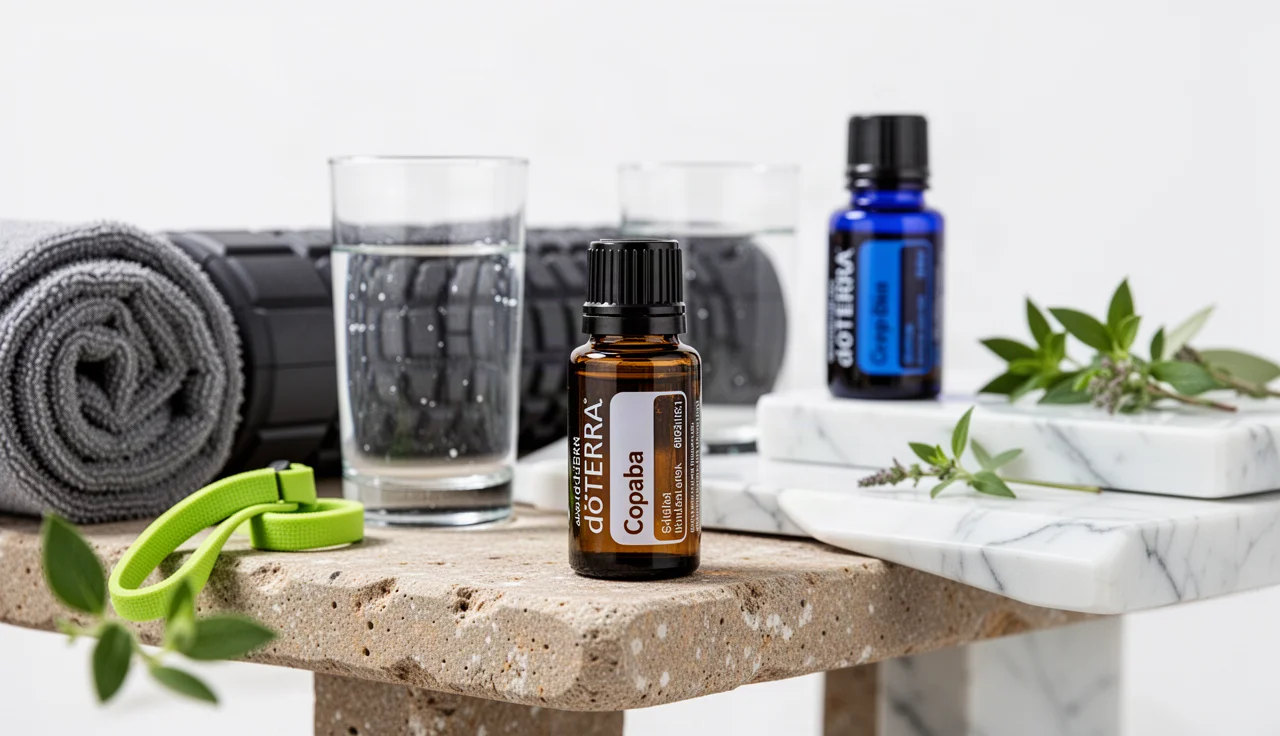
By the AfterTheSport Team — Active-lifestyle & doTERRA enthusiasts
You finish a long run, legs heavy, and the next day the stairs feel like a negotiation. What if your post-run ritual could be more than just stretching and a shower? The direct answer: yes, many runners use essential oils as part of their recovery routine, not to treat injuries or erase soreness, but to create a cooling, calming, or warming sensory experience that makes rest feel more intentional. Oils like Deep Blue, Lavender, and Peppermint are popular choices for post-run comfort rituals. They do not heal muscles or speed physiological recovery, but they can make the minutes after training feel more soothing and supportive. This guide covers which oils active people reach for, how to dilute them safely, and how to build a simple after-sport routine around scent and touch.
Best Oils for a Post-Run Comfort Ritual
Recovery for runners is mostly sleep, hydration, food, and easy movement. Essential oils sit on top of that foundation as a sensory layer. What we recommend most often is starting with oils that either cool, warm, or calm.
Copaiba is a soft, woody oil many people massage into tired areas after training. It pairs well with Deep Blue, doTERRA's best-known post-activity blend, which delivers a cool, menthol-like sensation. For a warmer feel, AromaTouch is designed specifically for massage and blends cypress, peppermint, marjoram, basil, grapefruit, and lavender.
For the mental side of recovery, Lavender is the classic wind-down scent. Many runners diffuse it in the evening after a hard session. Balance offers a woody, grounding aroma that suits quiet stretching or foam rolling.
| Oil | Sensation | Best Moment |
|---|---|---|
| Deep Blue | Cooling | Immediately after a run, as a massage |
| Copaiba | Soft, warm, woody | Evening massage or mixed with Deep Blue |
| Lavender | Calming, floral | Evening diffusion or bath routine |
| Balance | Grounding, woody | Stretching and slow breathing |
| Peppermint | Fresh, cooling | Morning or pre-run environment |
| AromaTouch | Massage blend, varied | Full-body post-run massage |
How to Build a Safe After-Run Application
The massage matters more than the oil. Manual pressure, warmth from your hands, and slow breathing do most of the work. The oil simply makes the ritual pleasant and repeatable. Follow these steps:
- Choose your base. Use fractionated coconut oil for the body, sweet almond for dry skin, or jojoba for the face. Fractionated coconut is light, stable, and does not stain clothing, making it the most practical after a run.
- Dilute precisely. For large muscle areas, use a 2-3% dilution, which means 2-3 drops of essential oil per 5 ml (one teaspoon) of carrier oil. For sensitive skin, start at 1%, about 1 drop per 5 ml.
- Patch test first. Apply one diluted drop to the inner elbow and wait 24 hours before the first full use.
- Massage large muscles. Use slow strokes on quads, calves, and hamstrings. Spend more time on tight-feeling areas, but never press hard enough to cause pain.
- Avoid broken skin. Never apply oils to cuts, scrapes, or irritated skin.
- Wash hands after. Keep oils away from your eyes and face.
If you prefer a ready-made option, Deep Blue Rub is a pre-diluted lotion-style product many runners keep in their gym bag. Another convenient choice is Copaiba Touch, already diluted in a roller for direct application.
Supporting the Rest of Your Recovery
Recovery is not only about legs. Sleep, breathing, and daily energy all matter, and oils can support those habits too.
Serenity is a calming blend of lavender, cedarwood, and other soothing notes. Diffusing 3-5 drops in 100 ml of water for 30-45 minutes in the evening can make your cool-down feel more restful. Do not run the diffuser continuously; intermittent sessions keep the scent fresh and avoid olfactory fatigue.
For days when your training environment feels stuffy or stale, Breathe offers a fresh, open aroma. A few drops in the diffuser before an indoor session or while stretching can make the space feel clearer. Peppermint works similarly as a bright, energizing scent for morning runs or pre-run rituals, though it should be kept away from the face of small children.
If you want a broader wellness approach, the Lifelong Vitality Pack is a daily supplement system many active people use to support general energy and nutrition as part of a balanced diet. It is not a performance product, just a foundational routine.
For more ideas on matching oils to your training, see our guide on doTERRA Essential Oils for Runners.
Frequently Asked Questions
Can essential oils speed up muscle recovery after running?
No. Essential oils cannot speed physiological recovery or treat soreness, injury, or inflammation. They can make a post-run massage or evening ritual feel more cooling, warming, or calming, which many runners enjoy as part of rest.
How do I dilute essential oils for a leg massage?
Use a 2-3% dilution, which is 2-3 drops of essential oil per 5 ml (one teaspoon) of carrier oil like fractionated coconut. For sensitive skin, start at 1%, about 1 drop per 5 ml. Always patch test before the first full application.
Which doTERRA oil is best right after a run?
Deep Blue and Deep Blue Rub are the most popular immediate post-run choices because of their cooling sensation. Copaiba is a gentle alternative if you prefer a softer, woodier feel. Neither treats pain; both simply make the massage ritual feel more soothing.
Can I use Peppermint before running?
Yes, many people diffuse peppermint or use it in a pre-run environment for its fresh, bright scent. Just keep it diluted and away from the face, eyes, and small children.
Do I need to buy a kit to use these oils?
No. You can become a doTERRA member with just your email and any product in your cart. Kits are optional and can waive the small annual membership fee when they exceed 150 PV, but they are never required.
This content is for general information only and is not medical advice. Essential oils are not intended to diagnose, treat, cure, or prevent any disease; consult a qualified healthcare professional before use.