Deep Blue Oil for Athletes Recovery Routine
Discover how doTERRA Deep Blue fits into an athlete's post-workout ritual, from cooling sensations to massage routines and practical tips. A practical guide.
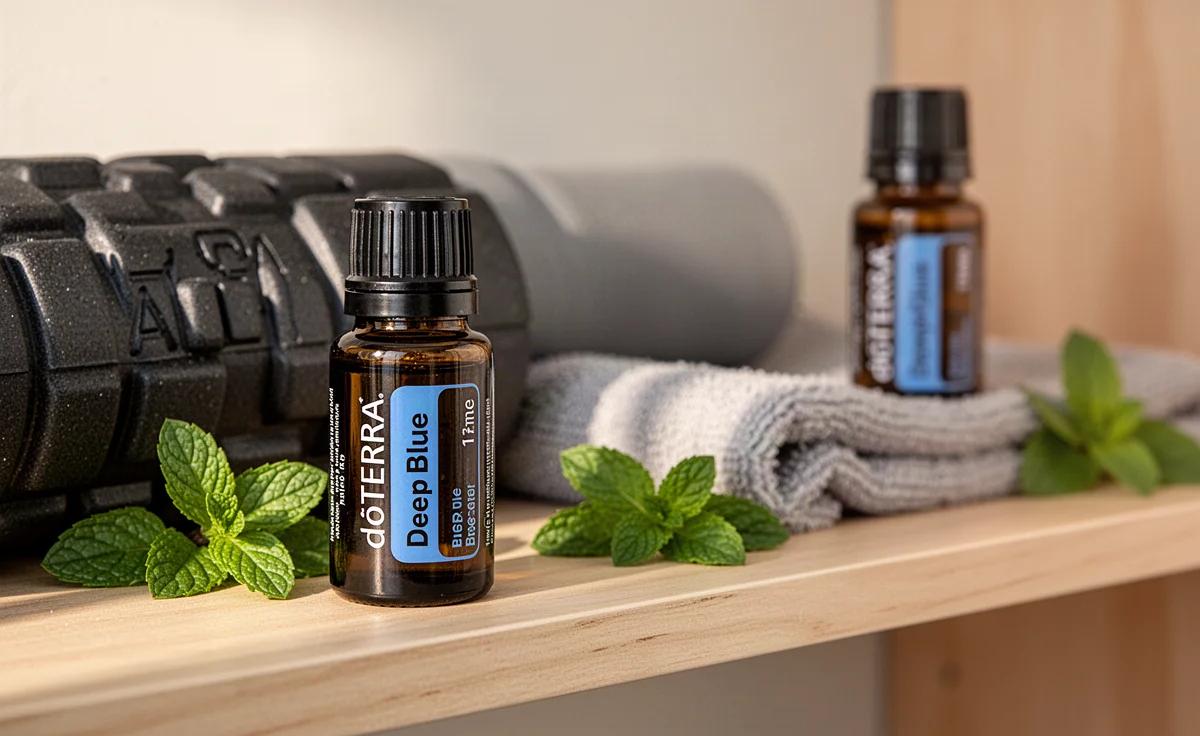
By the AfterTheSport Team — Active-lifestyle & doTERRA enthusiasts
You finish a hard training session and your legs feel heavy, warm and tight. What you do in the next hour shapes how you feel tomorrow. Many active people turn to a simple cooling ritual, and doTERRA Deep Blue is one of the most popular blends for that moment. It is not a medical treatment and it will not speed up physiological repair. What it offers is a cooling, soothing sensation that many athletes enjoy as part of a wind-down routine after training, alongside stretching, hydration and rest.
This guide covers how Deep Blue fits into a realistic athlete recovery routine, how to apply it, which formats exist, and how it compares with other doTERRA products for after-sport self-care.
What Deep Blue Feels Like After Training
Deep Blue is doTERRA's cooling comfort blend. It combines Wintergreen, Camphor, Peppermint, Blue Tansy, German Chamomile, Helichrysum and Osmanthus. The cooling sensation comes mainly from menthol in peppermint and wintergreen. That cooling is a sensory effect on thermal receptors in the skin, not an anti-inflammatory action. It feels cold because the receptors tell your brain it is cold, not because the tissue temperature actually drops.
This matters for expectations. Many athletes apply it after training and enjoy that cooling, slightly numbing tingle while they stretch or elevate their legs. It does not treat soreness, but it can make the post-workout window feel more intentional and comfortable.
For a wider look at how oils fit around training sessions, see our guide to Deep Blue for Athletes Training Routine.
How to Build a Deep Blue Recovery Ritual
A recovery routine works best when it is repeatable. Deep Blue becomes the anchor of a short post-training sequence that also includes movement, hydration and breathing.
- Cool down gently. Walk or cycle at low intensity for 5 to 10 minutes right after training. Do not sit down immediately.
- Hydrate first. Drink water before reaching for any product. Cold muscles need fluid more than they need oils.
- Dilute Deep Blue properly. Use a 2-3% dilution for the body. That means roughly 2 to 3 drops of Deep Blue per 5 ml of carrier oil. Good choices are fractionated coconut oil for massage or jojoba for the face and neck area.
- Massage large muscle groups. Apply to thighs, calves, shoulders or back with slow, firm strokes. The massage itself does most of the work. Warmth and manual pressure from your hands matter more than the oil blend.
- Stretch while it cools. Go through 5 to 10 minutes of static stretching on the areas you trained. The cooling sensation can make stretching feel more satisfying.
- Rest and repeat. Use the ritual on hard training days, not every single session. Rituals work because they feel special.
Never apply Deep Blue to broken skin, rashes or freshly scraped areas. Avoid eyes and mucous membranes. Wash your hands after applying.
Deep Blue Formats Compared
Deep Blue comes in several formats. Each has a slightly different use case for athletes.
| Product | Format | Best Use After Training | Cooling Sensation |
|---|---|---|---|
| Deep Blue | Essential oil blend | Dilute 2-3% in a carrier for full massage | Moderate, builds slowly |
| Deep Blue Rub | Pre-diluted cream rub | Quick target application on calves, shoulders | Gentle, consistent |
| AromaTouch | Massage blend | Relaxing post-training massage, fuller body | Mild, warming rather than cooling |
| PastTense | Cooling roll-on blend | Temples and neck after long focus sessions | Quick, localized cooling |
| Peppermint | Single oil | Add 1 drop to a carrier for stronger cooling | Strong, sharp cooling |
Deep Blue Rub is the most convenient entry point because it arrives diluted and ready to use. The essential oil version gives more control over dilution and works well for larger massage areas. AromaTouch fills a different role: it is a relaxation blend, warm and floral-herbal, useful when the goal is winding down rather than a cool tingle.
What We Recommend Most Often
In our experience, the combination that works best for a post-training routine is Deep Blue Rub on the lower legs plus one drop of Lavender in a diffuser during stretching. Lavender shifts the mood toward rest, while Deep Blue gives that cooling after-sport sensation on tired muscles.
For active people who want a broader recovery-focused toolkit, the AromaTouch Technique Kit includes a structured massage routine and the oils used in it. It goes well beyond Deep Blue and teaches a reusable hands-on practice.
Another popular option in our community is Breathe, diffused during cool-down. It smells fresh and open, which many runners and cyclists enjoy after a session in dry or dusty air. Pairing Breathe Respiratory Drops with a post-training hydration habit is another simple, wellness-focused combination.
For general daily recovery support alongside oils, the Lifelong Vitality Pack offers a broad supplement foundation. It is not a sports performance product, but many active people use it as part of a normal healthy routine.
FAQ
How do I dilute Deep Blue for massage?
Use 2 to 3 drops of Deep Blue per 5 ml of carrier oil, which equals a 2-3% dilution. Fractionated coconut oil works well for the body, while jojoba is the better choice for the neck and face.
Does Deep Blue speed up muscle recovery?
No product speeds up physiological recovery. Deep Blue offers a cooling sensory experience that many athletes enjoy after training, but real recovery comes from sleep, hydration, nutrition and rest. Use it as part of a comfort ritual, not as a treatment.
Can I use Deep Blue before training?
You can, but most active people prefer it after training. Before a session, a fresher, more stimulating oil like Peppermint or Wild Orange fits the warm-up mood better. Deep Blue's cooling profile suits the wind-down.
This content is for general information only and is not medical advice. Essential oils are not intended to diagnose, treat, cure, or prevent any disease; consult a qualified healthcare professional before use.